
2026 Business Plan & Budget
Consultation has concluded
Elgin County Council Approves 2026 Budget with Modest Tax Increase
Elgin County, ON – Elgin County Council approved the 2026 Business Plan and Budget at its January 27, 2026 meeting, setting the annual County levy at $51.1 million, an increase of $1.3 million over 2025. This results in a 1.17 percent tax rate increase for the average property and reflects Council’s focus on sound financial choices and clear priorities.
The 2026 budget builds on community priorities by strengthening communication, boosting support for business and tourism, improving road safety, and preparing for future growth in a way that honours the County’s rural landscape. Input from residents continues to guide decisions and shape long-term goals.
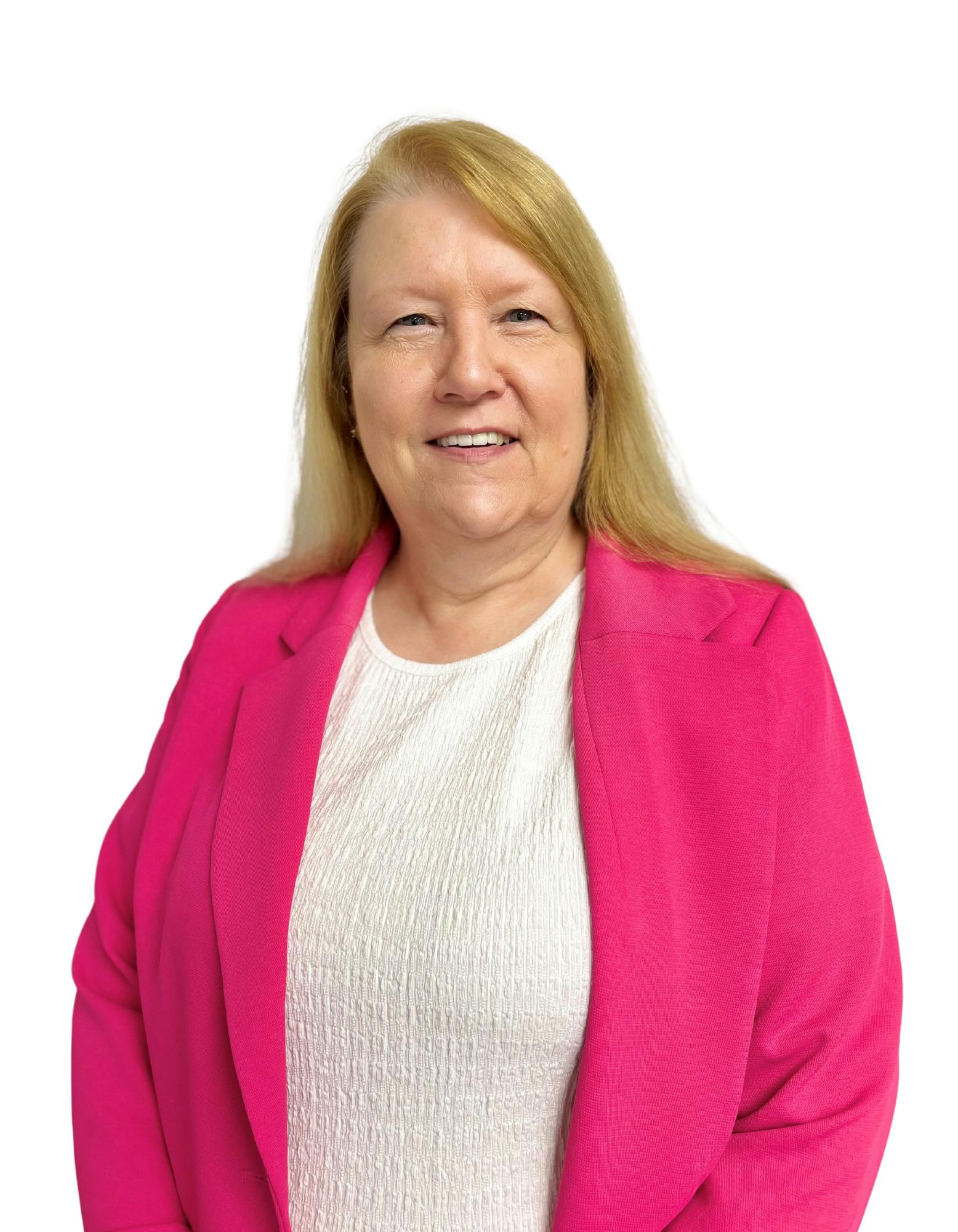
Warden Dominique Giguère shared that the 2026 budget is designed to keep the County moving forward with purpose. “This budget reflects a clear direction,” said Warden Giguère. “It keeps Council focused on core priorities, protecting essential services, improving how they’re delivered, and doing so without adding pressure on taxpayers.”
With the 2026 Business Plan and Budget now approved, Elgin County Council and staff remains focused on delivering services residents depend on and making steady progress on initiatives that support a strong, connected, and resilient community.
Key 2026 Budget Highlights Include:
- Safer roads through rehabilitation projects on Iona Road, Union Road, Ron McNeil Line, Calton Line, Glen Erie Line and reconstruction in the Village of Fingal;
- Stronger planning coordination by expanding collaboration between the development industry, local municipalities, and regional agencies to support more streamlined planning efforts across Elgin County; and
- Enhanced business and tourism support added marketing, a refreshed Elgincentives program with incentives designed to better meet the needs of today's business community, and a new Business Guide.
Through coordinated efforts across departments and a streamlined budget process, Council was able to approve the 2026 Business Plan and Budget much earlier this year. This earlier approval allows staff to begin projects and initiatives sooner, improving efficiency, supporting timely delivery, and ensuring the County can move forward quickly on its stated priorities.
For more information and to view the County of Elgin’s 2026 Business Plan & Budget, please click here .
For additional information, please contact:
Jennifer Ford
Director of Financial Services/Treasurer
info@elgin.ca
519-631-1460 x 107
Warden Dominique Giguère
warden@elgin.ca
548-888-6252
Budget Glossary
Amortization
Gradually writing off the initial cost of an asset over its useful life.
Asset(s)
Property owned by the County that has value, such as land, buildings, or equipment.
Assessment Value
A property's value as determined by the Municipal Property Assessment Corporation (MPAC).
Base Budget
The portion of the operating budget that covers day-to-day costs of County services, including staff wages, supplies, facility operations, programming, and contracted services such as EMS and Social Services.
Budget Consultation
Opportunities for residents to provide input on proposed budgets before Council approval.
Capital Assets
Property, facilities, structures, and equipment owned by the County, such as land, buildings, and machinery.
Capital Budget
The annual plan for purchasing and financing capital assets.
Capital Expenditure Forecast
A 10-year financial plan that projects future spending on long-term assets such as property, equipment, and technology to maintain and improve County services (see Elgin County's Asset Management Plan)
Capital Fund
The portion of a capital project paid for through borrowing or drawing from the County’s reserves.
Capital Project
A specific initiative to purchase, repair, or improve a capital asset.
County Levy
The portion of property taxes collected by local municipalities and transferred to the County to fund regional services.
Financial Forecasting
Estimating the County’s future financial outcomes based on past performance and current data.
Infrastructure
Physical assets such as roads, bridges, and County facilities that support services.
Operating Budget
Revenue and expenses that support County services. This includes both the base budget and service level changes.
Operating Costs
Total day-to-day costs of County services, including base budget and service level changes.
Public Engagement
Activities where residents can share feedback, such as surveys or consultation meetings.
Reserves
Funds set aside for future expenditures, emergencies, or specific projects.
Service Level Changes
Adjustments to the base operating budget that increase or reduce spending, such as adding programs, expanding services, or hiring additional staff.
Tax Increase
An increase in property taxes based on changes in property values or County funding requirements. Learn more through MPAC’s Understanding Your Assessment video: https://youtu.be/nrWry5i3TBU
Tax Ratios
The relationship between the tax rate for each property class and the residential property class. Ratios help distribute the tax burden among different property types, with the residential class set at a value of one (1).
Tax Rate
The percentage applied to the taxable assessment of your property, expressed to six decimal places.
Taxation
Revenue collected by the County through property taxes.

-
Phone (519) 631-1460 x107 Email budget@elgin.ca -
Elgin County Warden

Email warden@elgin.ca